


Battery cable wiring.


Thread Starter
Junior Member
Joined: Aug 2012
Posts: 7
Likes: 0
 Battery cable wiring.
So my original terminals needed to be replaced. I didn't want to replace the whole cables so I tried to fix it myself. This is what I have done. I have one 2 gauge copper connector for the negative and used two 4 gauge connectors for the two positives. Is this okay? or will my truck burn up in flames?
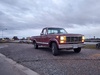
Here is a picture of my homemade flatbed. Im going adjust the pitch the front of the bed down a little to make it match the lines of the truck, or maybe a leveling kit instead.
Here is a picture of my homemade flatbed. Im going adjust the pitch the front of the bed down a little to make it match the lines of the truck, or maybe a leveling kit instead.
Last edited by higgs boson; Feb 24, 2013 at 03:33 PM.

It's a Canadian thing eh!
Joined: Nov 2010
Posts: 6,539
Likes: 196
From: Ontario, living across a hay field
Household service is anywhere from 60-100 amps at 220v then goes to you're 15-20 amp circuits at 110v-120v
Starting you're truck you're putting out 900+ amps (depending on the battery)
Last edited by sylver91; Feb 24, 2013 at 08:38 PM.


Senior Member
Joined: Aug 2010
Posts: 2,669
Likes: 116
From: Long Beach, CA
Make sure to keep all those connections clean and tight and you should be fine. Personally I prefer solder on ends like factory. All you need to do is trim and strip the wire. Melt some solder into the terminal with a propane torch. Then stick the wire into the melted solder. If you measure and trim neatly you have a nice factory connection. I picked up some heavy shrink tube and made a flex guard for extra protection.
Trending Topics


 [/IMG]

Junior Member
Joined: Jul 2024
Posts: 1
Likes: 0
Please don't use 10 Guage wire from your home in any starting capacity in a vehicle.
The difference isnt the obvious Voltage being much lower, But rather that Amperage being WAY WAY higher in the 12v system of a vehicle.
keep in mind you may be using 800-1000 AMPs for a battery in a vehicle and your home may have a 100 amp main.
that high Amperage would MELT a 220v 10 Guage wire when starting a vehicle.
220V in your home will probably be a 30 Amp circuit like your dryer or maybe a stove.
eeeeyuge difference in draw and as a result heat.
just an FYI.