


Tire question?


https://www.f150forum.com/f6/tire-gu...l-info-173092/
Since everyone usually has questions on tire and wheel combos/sizes. I decided to do some calculations and help members out with metric to U.S. standard(inches). This information is all over the net, however, I thought it would be convenient for it to be all in one place. I only used the most relevant and commonly used truck tire sizes. Therefore, this could be beneficial and educational to the general member with no tire experience.
I see alot of posts implying that a 305 70 is a 33 x 12.5 or close to 33. When in reality, its impossible to calculate the height of a metric tire without the rim size. The diameter of a metric tire must be calculated using all three of the tire specs. I think this confusion is because most American tires do not depend on numerical calculations; the specs posted are the respective height and width regardless of depending on rim size. For instance; a 33 x 12.5 x 15 has the same height and width(within reason) as a 33 x12.5 x 17. However, a 305 70 17 is not the same height as a 305 70 15.
Alot of people get confused when talking about metric tire sizes. Generally, this is because the numbers reflected in the metric sizes aren't exactly width and height as we typically like to think.
The first number represented (the largest) is the sectional width. This number in MM is how wide the tire is from inner sidewall to outer sidewall. This does not include protruding ***** or ribs. Also note, these calculations vary by rim width, but only by a few tenths of an inch. So for all the calculations and specs I will assume we are using a factory standard size wheel.(the oem equiped wheels).
The second number represented (usually the 2nd largest) is the aspect ratio. This spec. is exactly what it says; a ratio. To be precise it's a ratio representing the percentage of height to the section width. When doing calculations this number will always be a decimal because its a ratio/percentage. For example; A 305 70 17 has a section width of 305mm and an aspect ratio of 70 percent(or .7).
The third number represented is the rim size in diameter(usually the smallest because this number is in inches). This spec. is the diameter or height of the rim you will be mounting the tire on. No calculations to be done for this one.
Now that we understand what all the numbers represent we can start to analyze and convert our specs to U.S. Standard. However, before we begin, we need to know the conversion of mm's(millimeters) to inches. I won't mathematically calculate this cause its easy to find "online". The conversion is 1" = 25.4 mm.
I will once again use the 305 70 17 as our example. So we have ;
Sectional width = 305mm
Aspect ratio = 70% or equivalently .70
Rim diameter = 17"
To get our sectional width to inches do;
305/25.4 = ~12.007 inches
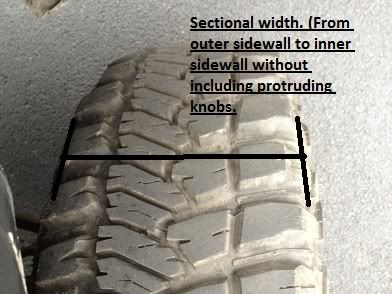
This means from inner sidewall to outer sidewall(not including *****) our tire is 12.007 inches.
Below is a picture representation. Note: on mud tires your true width will be greater than this. (Typically because of the *****). Also note: In the picture I am showing the top of the tire; The exact representation should be taken from the widest part of the sidewalls, inner to outer.
Now we multiple our sect. width by our aspect ratio. Numerically we have 12.007 X .7 = 8.405. This calculations is to see how tall(diameter) "one part" of the tire is. By "one part" I mean the top half from one part of the rim to the outer edge of the tire(obviously, there are two of these and they will be the same size because its a circle). Please remember, all tire representations are on mounted rims, but not loaded on a vehicle(the pressure and down-force of the weight changes these measurements).
See picture;
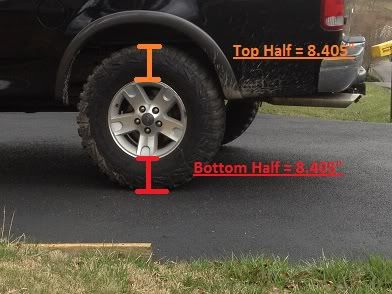
Now we can calculate our height by adding the top half+ bottom half + rim diameter to give us the total tire diameter. Hence, why we cannot assume a 305 70 15 is the same as 305 70 17, because the calculations are dependent on rim size.
Picture representation of all numerical values;
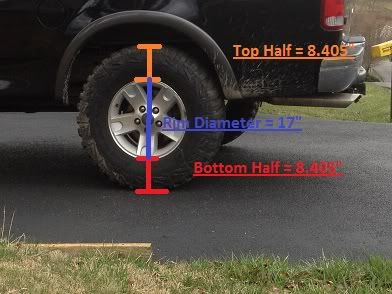
Using our example(305 70 17) we have;
8.405" + 8.405" + 17" = 33.81"
Thus a 305 70 17 is approx. 33.81 inches tall
Comparatively, a (305 70 15) is;
8.405" + 8.405" + 15"= 31.81"
It is easy to see the discrepancy between the sizes.
Again the calculations go;
305/25.4 =12.007 (sect. width in inches)
12.007 * .7 = 8.405" (top and bottom halves)
8.405" + 8.405" + 17" = 33.81" (complete diameter)
I understand this is a very rudimentary and fairly abstract way to understand metric tire conversions. However, I think it will be fairly useful to prospective tire buyers. Please note: THESE ARE APPROXIMATIONS. All tire specs and guidelines differ. A Goodyear 305 70 17 may have a few incremental differences between a Nitto 305 70 17.
To help members out(so they don't have to do the calculations) I did the metric conversions for some of the most used tires and rim combos. See the reply(too many characters for me to post on this thread). These are not guaranteed to be exact nor do I take responsibility for indiscriminate errors. Always research your tires for fitment and other general questions.
*** If you feel I have made a mistake please let me know, these calculations were done simultaneously and fairly quick. Thanks in advance.
I see alot of posts implying that a 305 70 is a 33 x 12.5 or close to 33. When in reality, its impossible to calculate the height of a metric tire without the rim size. The diameter of a metric tire must be calculated using all three of the tire specs. I think this confusion is because most American tires do not depend on numerical calculations; the specs posted are the respective height and width regardless of depending on rim size. For instance; a 33 x 12.5 x 15 has the same height and width(within reason) as a 33 x12.5 x 17. However, a 305 70 17 is not the same height as a 305 70 15.
Alot of people get confused when talking about metric tire sizes. Generally, this is because the numbers reflected in the metric sizes aren't exactly width and height as we typically like to think.
The first number represented (the largest) is the sectional width. This number in MM is how wide the tire is from inner sidewall to outer sidewall. This does not include protruding ***** or ribs. Also note, these calculations vary by rim width, but only by a few tenths of an inch. So for all the calculations and specs I will assume we are using a factory standard size wheel.(the oem equiped wheels).
The second number represented (usually the 2nd largest) is the aspect ratio. This spec. is exactly what it says; a ratio. To be precise it's a ratio representing the percentage of height to the section width. When doing calculations this number will always be a decimal because its a ratio/percentage. For example; A 305 70 17 has a section width of 305mm and an aspect ratio of 70 percent(or .7).
The third number represented is the rim size in diameter(usually the smallest because this number is in inches). This spec. is the diameter or height of the rim you will be mounting the tire on. No calculations to be done for this one.
Now that we understand what all the numbers represent we can start to analyze and convert our specs to U.S. Standard. However, before we begin, we need to know the conversion of mm's(millimeters) to inches. I won't mathematically calculate this cause its easy to find "online". The conversion is 1" = 25.4 mm.
I will once again use the 305 70 17 as our example. So we have ;
Sectional width = 305mm
Aspect ratio = 70% or equivalently .70
Rim diameter = 17"
To get our sectional width to inches do;
305/25.4 = ~12.007 inches
This means from inner sidewall to outer sidewall(not including *****) our tire is 12.007 inches.
Below is a picture representation. Note: on mud tires your true width will be greater than this. (Typically because of the *****). Also note: In the picture I am showing the top of the tire; The exact representation should be taken from the widest part of the sidewalls, inner to outer.
Now we multiple our sect. width by our aspect ratio. Numerically we have 12.007 X .7 = 8.405. This calculations is to see how tall(diameter) "one part" of the tire is. By "one part" I mean the top half from one part of the rim to the outer edge of the tire(obviously, there are two of these and they will be the same size because its a circle). Please remember, all tire representations are on mounted rims, but not loaded on a vehicle(the pressure and down-force of the weight changes these measurements).
See picture;
Now we can calculate our height by adding the top half+ bottom half + rim diameter to give us the total tire diameter. Hence, why we cannot assume a 305 70 15 is the same as 305 70 17, because the calculations are dependent on rim size.
Picture representation of all numerical values;
Using our example(305 70 17) we have;
8.405" + 8.405" + 17" = 33.81"
Thus a 305 70 17 is approx. 33.81 inches tall
Comparatively, a (305 70 15) is;
8.405" + 8.405" + 15"= 31.81"
It is easy to see the discrepancy between the sizes.
Again the calculations go;
305/25.4 =12.007 (sect. width in inches)
12.007 * .7 = 8.405" (top and bottom halves)
8.405" + 8.405" + 17" = 33.81" (complete diameter)
I understand this is a very rudimentary and fairly abstract way to understand metric tire conversions. However, I think it will be fairly useful to prospective tire buyers. Please note: THESE ARE APPROXIMATIONS. All tire specs and guidelines differ. A Goodyear 305 70 17 may have a few incremental differences between a Nitto 305 70 17.
To help members out(so they don't have to do the calculations) I did the metric conversions for some of the most used tires and rim combos. See the reply(too many characters for me to post on this thread). These are not guaranteed to be exact nor do I take responsibility for indiscriminate errors. Always research your tires for fitment and other general questions.
*** If you feel I have made a mistake please let me know, these calculations were done simultaneously and fairly quick. Thanks in advance.

Thread Starter
Junior Member
Joined: Jun 2013
Posts: 27
Likes: 1
I was told that 285/70/16 would fit a stock 2wd with no rub, but I was also told that 285s on 16 inch rims where the same 285s on 17 inch rims. But after reading the previous post I see thats not the case. Im going to put my 285/70/17 rims and tires on today and ill let you know if they fit. Hopefully if anything I might have to do some trimming to make it work.
Senior Member
Joined: Apr 2013
Posts: 150
Likes: 2
From: Central City, Louisiana
I was told that 285/70/16 would fit a stock 2wd with no rub, but I was also told that 285s on 16 inch rims where the same 285s on 17 inch rims. But after reading the previous post I see thats not the case. Im going to put my 285/70/17 rims and tires on today and ill let you know if they fit. Hopefully if anything I might have to do some trimming to make it work.
Thread Starter
Junior Member
Joined: Jun 2013
Posts: 27
Likes: 1
Thread Starter
Junior Member
Joined: Jun 2013
Posts: 27
Likes: 1
Help
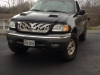
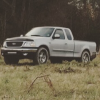
This is a pic of my truck. Just put the tires on today. Got in, turned the wheel and heard some knocking. Got out and looked and the tire is to wide and is scrapping what I think is the sway bar(when fully locked out). Does any body have an idea if it can be fixed? Can I get some type of spacer or am I better off trying to get rid of them?
Last edited by uga82; Aug 5, 2013 at 10:57 PM.
Thread Starter
Junior Member
Joined: Jun 2013
Posts: 27
Likes: 1
I just got a 2" leveling kit on it. I like the way it sits too but its not doing me too much good just sitting in the yard, haha. I would like to fix it instead of trying to sell these set of wheels and buying new ones.
Senior Member
Joined: Apr 2013
Posts: 150
Likes: 2
From: Central City, Louisiana
I just want to get the max tire size while everything is stock so that I don't have to fix anything. I hope to level it at some point. What brand and how much yours cost?
Thread Starter
Junior Member
Joined: Jun 2013
Posts: 27
Likes: 1
Im sorry, it was a 1.5" leveling kit from daystar. Got it from amazon for like $40 with free shipping. Wasnt to hard to install either.