


Coolant Issue


Senior Member


Joined: Jul 2012
Posts: 379
Likes: 16
From: Dallas, TX

Just a thought, but my neighbor across the street replaced the head gaskets on a pontiac grand am and the car would overheat. He replaced the temp sensor and it still overheated. Someone suggested that he replace the coolant res cap and that took care of it. Apparently if the cap is bad it can cause an overheating issue. The coolant res cap on that pontiac is similar to the one on our trucks. Again, just a thought.
Senior Member
Joined: Nov 2011
Posts: 109
Likes: 4
Test for a bad head gasket. Here's an inexpensive way to test your cylinders for leakage into the cooling system. Pull out all your spark plugs. Fill your coolant tank to the brim so that you can't put any more in. Put one spark plug in each cylinder at a time. Crank the engine over while watching the coolant tank. If the coolant pushes out when the cylinder makes compression, you've got bad hg's or cracked heads.

Thread Starter
Junior Member
Joined: Jul 2011
Posts: 16
Likes: 0
Just a thought, but my neighbor across the street replaced the head gaskets on a pontiac grand am and the car would overheat. He replaced the temp sensor and it still overheated. Someone suggested that he replace the coolant res cap and that took care of it. Apparently if the cap is bad it can cause an overheating issue. The coolant res cap on that pontiac is similar to the one on our trucks. Again, just a thought.
Thanks, but I've already replaced the cap.
Thread Starter
Junior Member
Joined: Jul 2011
Posts: 16
Likes: 0
Test for a bad head gasket. Here's an inexpensive way to test your cylinders for leakage into the cooling system. Pull out all your spark plugs. Fill your coolant tank to the brim so that you can't put any more in. Put one spark plug in each cylinder at a time. Crank the engine over while watching the coolant tank. If the coolant pushes out when the cylinder makes compression, you've got bad hg's or cracked heads.
What I'm looking for is a way to purge all of the air from the coolant system.
Senior Member
Joined: Nov 2011
Posts: 109
Likes: 4
Originally Posted by SteelTherapy
I've already tested for exhaust gasses in the coolant and it came up negative.
What I'm looking for is a way to purge all of the air from the coolant system.
Just tryin to help you out- not worth it to do all this work and throwing parts at it.
Didn't you say it misses and runs ****ty first start in the am?
If you really want to Try getting air bubbles out, use a radkit, aka vacuum cooling system filler. Puts a vacuum on the whole cooling system, then draws in the coolant
Last edited by fordtec; Aug 16, 2012 at 09:02 PM.

Thread Starter
Junior Member
Joined: Jul 2011
Posts: 16
Likes: 0
Still working on this problem.
I replaced the thermostat again with an OEM one. No change.
Question:
If the heater core were intermittently blocked or the flow restrictor in the heater hose was blocked intermittently, could it cause this issue? The idea would be that with the thermostat closed and the heater core effectively blocked you would get little to no coolant flow. This could cause superheating of the coolant leading to localized vaporization of the coolant. This vapor area could give the sudden jump to a high temp. When I start and stop the engine a couple times the blockage gives way or the thermostat opens and I now have coolant flow.
My problem never occurs once the thermostat is open.
Backflush the heater core? Run without a thermostat to verify? Thoughts?
I replaced the thermostat again with an OEM one. No change.
Question:
If the heater core were intermittently blocked or the flow restrictor in the heater hose was blocked intermittently, could it cause this issue? The idea would be that with the thermostat closed and the heater core effectively blocked you would get little to no coolant flow. This could cause superheating of the coolant leading to localized vaporization of the coolant. This vapor area could give the sudden jump to a high temp. When I start and stop the engine a couple times the blockage gives way or the thermostat opens and I now have coolant flow.
My problem never occurs once the thermostat is open.
Backflush the heater core? Run without a thermostat to verify? Thoughts?
Senior Member
Joined: Jun 2012
Posts: 364
Likes: 22
From: PA
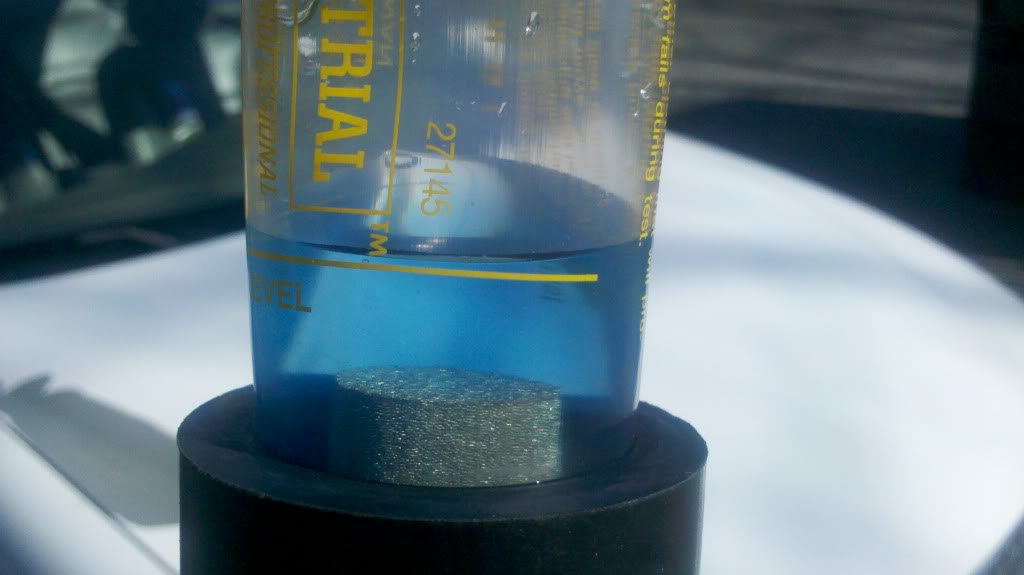
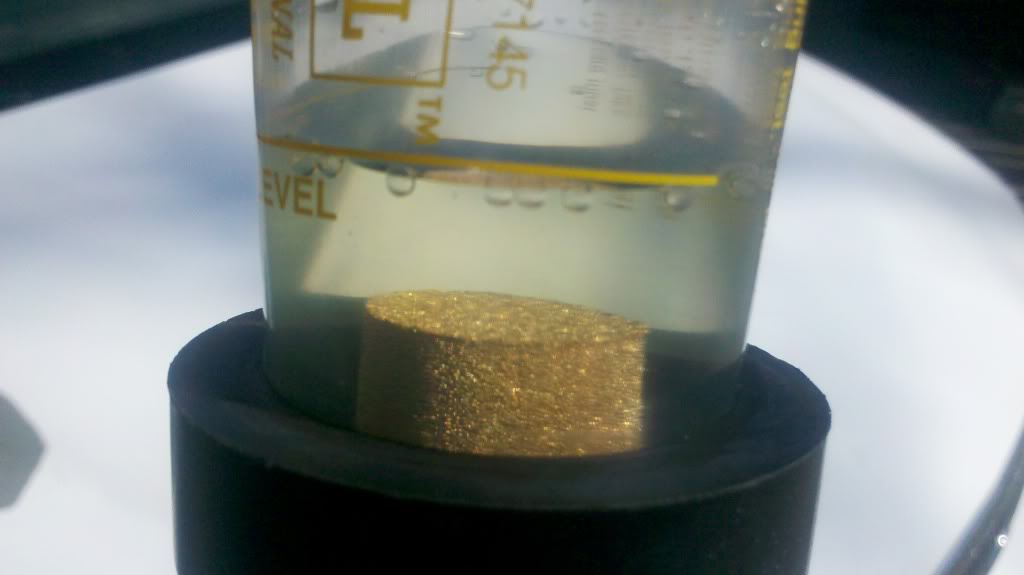
When you use that HC tester you shouldn't touch the coolant at all. The positive result looks more green in my experience. Wash out the tester and try again with some fresh fluid. You don't want any antifreeze in there- just hot vapor.

Senior Member
Joined: Nov 2010
Posts: 534
Likes: 26
From: Coe Hill, ON
The system is self bleeding but you can cut a heater hose and add a flushing tee. Leaving the cap off the tee will allow air to escape. It should be installed in the highest spot possible. The "gurgling" sound you're hearing in the dash is air in the heater core. I'm still suspecting a leaky HG. I'd re-do the test. Engine needs to be warmed, T-stat open, and then left to cool again prior to testing. Good luck.