


Odometer and dome light flicker at idle.


Thread Starter
Junior Member
Joined: Sep 2016
Posts: 10
Likes: 0
From: Florida
 Odometer and dome light flicker at idle.
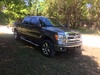
Whats Up Guys, Im Still learning how to use this site, but i really appreciate the knowledge. This Is my first truck. i have a 08 f15o regular cab 4.2 v6. i just bought it used with 155k there seemed to be a old light bar that was removed as well as after market auto windows and door locks but the door lock switch doesnt work and there was a alarm that is not there anymore, so to say i have no idea what the wiring looks like now. i have a 500 rms watt amp powering a 10 inch sub. mind you the lights flicker on the odometer before that was installed, does anyone have any idea what i should do? at night with radio on headlights and taillights dim as well. do i need a better battery? previous owner put in a refurb alt. and the battery is a little over a year old but a duralast. thanks for any of your input or past experince.
Thread Starter
Junior Member
Joined: Sep 2016
Posts: 10
Likes: 0
From: Florida
also all the wiring under the hood looks to be 4awg but the battery to chassis ground is maybe a 8awg. an the amp wiring is 4awg wirinig grounded to the chassis, the installer did not sand the metal down though, just put a self tapper through.


Thread Starter
Junior Member
Joined: Sep 2016
Posts: 10
Likes: 0
From: Florida
they flicker all the time at idle. when the subwoofer is turned up say 3 quarters it pulsates with the beat and still has the faint flicker with radio off still flickers. stops as soon as i start moving. also when truck is off, the odometer light and dome light do not flicker at all. which ground should i be looking at? all my battery terminals are spotless, have scrubbed them with a wire brush and tightened down.


Senior Member
Joined: Nov 2013
Posts: 312
Likes: 44
I think that at least 1 of the 2 is going to fail very shortly and problems with this stuff can be a real pain. If I were you I would find a garage that can do an electrical system test. This will tell you exactly what is going on and you can fix it at home. It may cost you 30-50 bucks but the garage will usually discount you the parts if you buy them there. This is a lot cheaper and easier than messing around, getting it wrong and having your truck die some where out in traffic.
Thread Starter
Junior Member
Joined: Sep 2016
Posts: 10
Likes: 0
From: Florida
I think that at least 1 of the 2 is going to fail very shortly and problems with this stuff can be a real pain. If I were you I would find a garage that can do an electrical system test. This will tell you exactly what is going on and you can fix it at home. It may cost you 30-50 bucks but the garage will usually discount you the parts if you buy them there. This is a lot cheaper and easier than messing around, getting it wrong and having your truck die some where out in traffic.
Thanks for the response, yes I definitely don't want that to happen. I have not had any electrical tested. I do know the alternator was just put in right before I bought the truck, with proof of purchase an my mechanics observation. Would it still be possible to have a bad vr? Also would a test from a local auto parts store check for that or do I need to take it to a actual garage?
Trending Topics
Senior Member
Joined: Nov 2013
Posts: 312
Likes: 44
Yup. A proper electrical test will actually load the alternator and load the battery and than measure the results. If a parts store can do this test than go ahead but they probably cannot. Some parts stores will have a proper battery load tester but you have to bring in the battery. This may be a good first move but the battery must be fully charged when it gets there.
You can do a volt test on the battery (12-12.8 volts fully charged) with the truck off and than do a volt test with the truck running (13-14 volts after start up) but you will need to put the battery on a battery charger so that you know that it is fully charged. Sometimes putting a battery on a charger is all you need to test the battery...it may not take a charge.
My guess is that it is the alternator and that either the built in voltage regulator is failing or the brushes are failing. The alternator may still be working but at a reduced capacity. Either that or the alternator connections are just loose/bad.
I doubt its a fully grounded wire since no wire in the truck would survive full battery current for long. It could be a wire that is just rubbing but again that kind of current draw is going to cause sparks and heat.
Parts fail, even new parts.
If the alternator was just changed than I would go straight to the alternator connections. Some mechanics can be pretty rough and they can damage the connector by yanking on it or the wires when they remove it. They can also bend the connector pins by forcing the connector back in when the pins are out of alignment.
You can do a volt test on the battery (12-12.8 volts fully charged) with the truck off and than do a volt test with the truck running (13-14 volts after start up) but you will need to put the battery on a battery charger so that you know that it is fully charged. Sometimes putting a battery on a charger is all you need to test the battery...it may not take a charge.
My guess is that it is the alternator and that either the built in voltage regulator is failing or the brushes are failing. The alternator may still be working but at a reduced capacity. Either that or the alternator connections are just loose/bad.
I doubt its a fully grounded wire since no wire in the truck would survive full battery current for long. It could be a wire that is just rubbing but again that kind of current draw is going to cause sparks and heat.
Parts fail, even new parts.
If the alternator was just changed than I would go straight to the alternator connections. Some mechanics can be pretty rough and they can damage the connector by yanking on it or the wires when they remove it. They can also bend the connector pins by forcing the connector back in when the pins are out of alignment.
Thread Starter
Junior Member
Joined: Sep 2016
Posts: 10
Likes: 0
From: Florida
Yup. A proper electrical test will actually load the alternator and load the battery and than measure the results. If a parts store can do this test than go ahead but they probably cannot. Some parts stores will have a proper battery load tester but you have to bring in the battery. This may be a good first move but the battery must be fully charged when it gets there.
You can do a volt test on the battery (12-12.8 volts fully charged) with the truck off and than do a volt test with the truck running (13-14 volts after start up) but you will need to put the battery on a battery charger so that you know that it is fully charged. Sometimes putting a battery on a charger is all you need to test the battery...it may not take a charge.
My guess is that it is the alternator and that either the built in voltage regulator is failing or the brushes are failing. The alternator may still be working but at a reduced capacity. Either that or the alternator connections are just loose/bad.
I doubt its a fully grounded wire since no wire in the truck would survive full battery current for long. It could be a wire that is just rubbing but again that kind of current draw is going to cause sparks and heat.
Parts fail, even new parts.
If the alternator was just changed than I would go straight to the alternator connections. Some mechanics can be pretty rough and they can damage the connector by yanking on it or the wires when they remove it. They can also bend the connector pins by forcing the connector back in when the pins are out of alignment.
You can do a volt test on the battery (12-12.8 volts fully charged) with the truck off and than do a volt test with the truck running (13-14 volts after start up) but you will need to put the battery on a battery charger so that you know that it is fully charged. Sometimes putting a battery on a charger is all you need to test the battery...it may not take a charge.
My guess is that it is the alternator and that either the built in voltage regulator is failing or the brushes are failing. The alternator may still be working but at a reduced capacity. Either that or the alternator connections are just loose/bad.
I doubt its a fully grounded wire since no wire in the truck would survive full battery current for long. It could be a wire that is just rubbing but again that kind of current draw is going to cause sparks and heat.
Parts fail, even new parts.
If the alternator was just changed than I would go straight to the alternator connections. Some mechanics can be pretty rough and they can damage the connector by yanking on it or the wires when they remove it. They can also bend the connector pins by forcing the connector back in when the pins are out of alignment.
