When you click on links to various merchants on this site and make a purchase, this can result in this site earning a commission. Affiliate programs and affiliations include, but are not limited to, the eBay Partner Network.
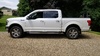
Here's another one I wanted to share. The customer had an issue with only a couple of his aftermarket lights working. He had 4 Rigid duallys and a 20" Rigid 2 row light bar all hooked up to the factory fog light wiring. WAY too much load for the circuit so every light would blink momentarily before only 2 duallys would stay lit. We cut out the splices in the pic that had just a dab of cold solder that you could literally peel off, we ran only one pair of duallys to the fogs and ran the others to 2 fused switches to correct this. What I'm getting at is wiring is easy, but it's not always as easy as just splicing to whatever you want to make it work. You need to know your loads and wire properly. Post a thread if you have questions and if soldering is new to you, practice an some spare wiring before doing it on your rig. Take pride in your work. Also. If your like this guy and driving around with a 20" light bar as your fogs, this one's for you
People who don't know what they are doing. If you add an accessory that draws any kind of power you need to use a relay and run an adequate size wire directly from the battery to power that accessory. You can use a factory switch to trigger the relay or just add a new switch. 🤷 You can also get in trouble with today's multiplexed wiring. It's no longer the 1950s.
People who don't know what they are doing. If you add an accessory that draws any kind of power you need to use a relay and run an adequate size wire directly from the battery to power that accessory. You can use a factory switch to trigger the relay or just add a new switch. 🤷 You can also get in trouble with today's multiplexed wiring. It's no longer the 1950s.
Exactly. It is getting much easier to fry an expensive module if you don't know what you're doing. I should have mentioned that we did run new relayed harnesses for the 20" and the second set of duallys.
My recommended splicing method is the use of bare butt splices and marine grade heat shrink with the hot glue inside. If your experienced/ good at soldering I recommend that over the butt splices but not everyone has that capability. Whatever you do, absolutely do not use the crimp lock splices that are insulation displacement, sure they only take 5 seconds to connect but if you ever see winter with salted roads you will have just introduced massive amounts of corrosion into your wiring harness. My last bit of advice is its always better to use a lower gauge (thicker copper) than you may think you need, unless you actually do the calculations to determine wire gauge necessary for the load.


 Wire smart


 If you add an accessory that draws any kind of power you need to use a relay and run an adequate size wire directly from the battery to power that accessory. You can use a factory switch to trigger the relay or just add a new switch. 🤷 You can also get in trouble with today's multiplexed wiring. It's no longer the 1950s.